Understanding the Herding Instincts
Herding breeds, such as Collies, have been bred over generations for a specific job: to herd animals for up to 12 hours a day. When these dogs can’t perform this instinctive behavior, they often find other ways to release that energy. Whether it’s chasing cars, bikes, or even people, this behavior is an outlet for their natural needs. It’s crucial to understand that simply stopping them from performing this behavior can lead to frustration, as the dog has no other way to fulfill their instinct.
Ball Play vs Herding Behavior
While many herding dogs enjoy a good game of fetch, it’s important to recognize that throwing a ball may not always satisfy their needs. For a Collie, the ball is something they feel the urge to “herd.” If your dog starts refusing to bring the ball back, it could be because they just want to gather it, not necessarily play fetch. This can build up frustration if their instinct is not being met appropriately.
Individual Differences in Herding Dogs
Not all dogs of a herding breed have the same drive to herd. Some Collies may have the instinct to herd but lack the aptitude to work with living animals like sheep. However, these instincts are deeply ingrained, and even a dog without sheep herding skills can still have strong herding tendencies.
The Consequences of Blocking Natural Instincts
If your dog’s natural herding instincts are blocked, it can lead to serious behavioral issues. In extreme cases, dogs can develop compulsive behaviors, such as tail chasing, spinning, or even self-mutilation. These behaviors can be internally reinforcing for the dog, meaning they feel relief or satisfaction from doing them, which can make the behaviors harder to stop. This is a serious condition, and it should not be reinforced or laughed at, as it can lead to more frequent occurrences.
Addressing Herding Instincts with Sheep Ball
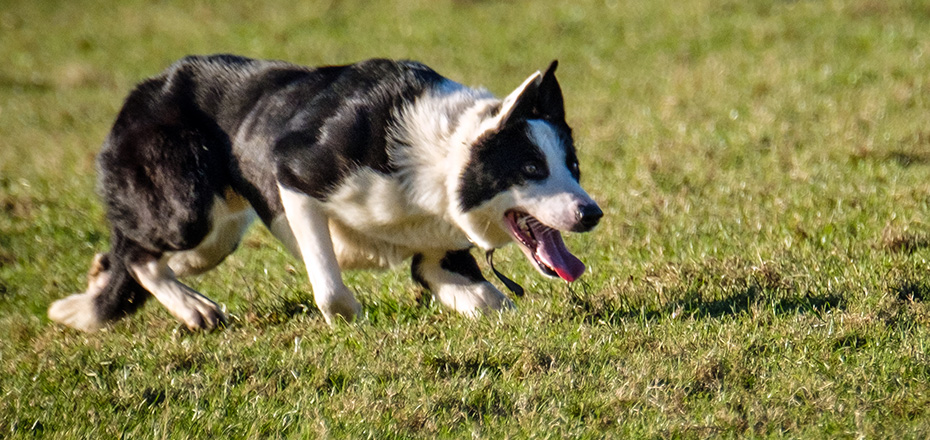
So, what can you do to help a herding dog fulfill their natural needs? A fantastic outlet is a game called Sheep Ball. This game allows your dog to express the two main aspects of herding: the stalk and the flank. Unlike traditional fetch, where the dog chases the ball directly, Sheep Ball involves the dog moving sideways in a flank, mimicking the behavior they would use while herding sheep.
How Sheep Ball Benefits Your Herding Dog
When your dog learns the Sheep Ball game, it provides an outlet for the Collie Eye Stalk, which can be quite intimidating to other animals, and the herding motion itself. This game helps your dog release their herding energy in a controlled and enjoyable way, leading to a calmer and more fulfilled dog. It’s a great way to stop your dog from herding inappropriate “prey,” such as bikes or children, and prevent the frustration that comes with unmet instincts.
Get Help for Your Herding Dog
If you’re struggling with your dog’s natural herding behavior, consider contacting a Sheep Ball instructor or a positive reinforcement trainer. At Daisy Dog Academy, we offer Sheep Ball 1:1 sessions to help dogs release their herding energy in a healthy way. By providing an outlet for their instincts, your dog will become happier, calmer, and more balanced.