
Dogs may not speak English, but they’re constantly communicating with us through body language. Do you understand what your dog is trying to tell you? Many injuries, particularly bites, happen when we fail to recognize the subtle signs that our dogs are uncomfortable. Understanding your dog’s body language is key to preventing these situations and ensuring both their safety and yours.
Between 2015 and 2018, there were over 23,000 hospital admissions in the UK due to dog bites, with a notable increase in injuries in recent years. Most of these incidents happen with family pets, and often it’s children who are involved. But why do these situations arise?
Children, who may struggle to interpret human body language, have even less ability to read a dog’s signals. Additionally, children often love hugging dogs, but unlike humans, dogs don’t naturally enjoy being hugged. They might tolerate it from their owners, but it’s not something we should encourage with children.
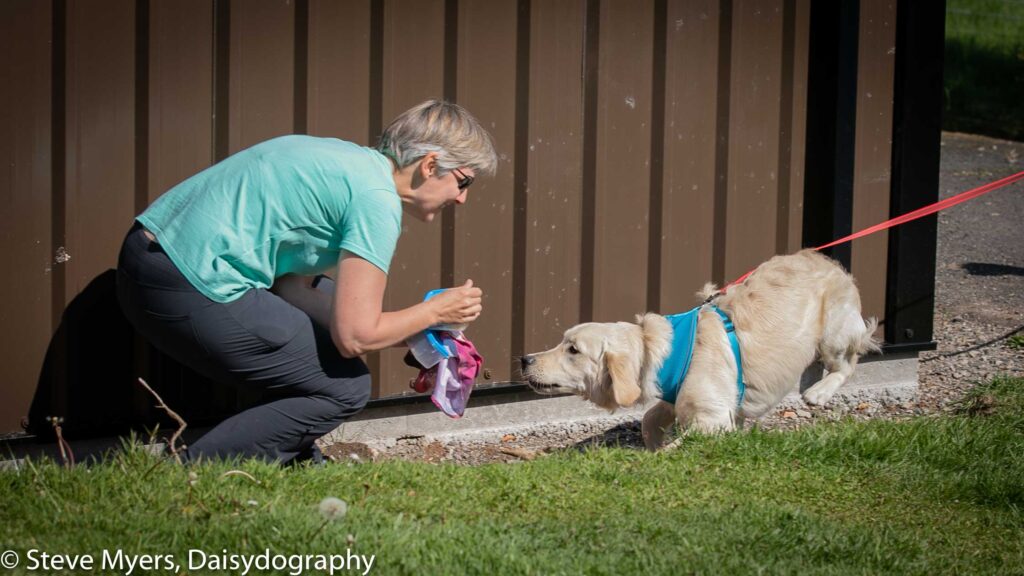
When dogs feel uncomfortable or stressed, they offer what are called Calming Signals to communicate their feelings. However, many of these signals are very subtle. This is why it’s so important to understand these signs to ensure everyone’s safety.
These early signs show that your dog is feeling uncomfortable and may be trying to tell you they need space. Look for these signs:
If these signs are ignored, a dog may escalate their communication.
If initial calming signals are not acknowledged, the dog will try other ways to remove themselves from the situation:
These are all signs that the dog is under stress and may need space. It’s important to respect these signals, especially when children are involved. If your dog leaves the room or tries to hide, it’s because they are making the best decision to avoid a stressful situation.
If a dog’s calming signals are continuously ignored, they may escalate to what is often called the Ladder of Aggression. The process starts with the calmest signals, but if these aren’t acknowledged, the dog may growl, show their teeth, air-snap, or, in extreme cases, bite.
The misconception that dogs “bite out of nowhere” is common, but in reality, dogs almost always give warning signs before they act. When a dog growls and is reprimanded for it, they may stop using that warning and move on to a more intense form of communication, such as showing their teeth. This escalation can lead to a bite.
When we live with dogs, it’s our responsibility to understand their unique communication style. This ensures that both humans and dogs can live together safely and harmoniously. The key to preventing bites is learning to recognize and respect your dog’s signals, especially in situations with children.
Many dog bites are preventable. In fact, statistics from the USA show that 77% of dog bites come from a family dog or a friend’s family dog. Teaching children to recognize calming signals and respect a dog’s need for space can significantly reduce these incidents. The website www.thefamilydog.com offers valuable resources, including videos and games to help children understand how to interact safely with dogs.
It’s essential to educate children on how to recognize and respect a dog’s boundaries. Dogs aren’t toys to be played with—they are sensitive creatures with their own ways of communicating. When we listen to our dogs and respect their needs, we can avoid unnecessary stress or danger for both humans and animals.
Dogs have been our companions for centuries, and it’s time for us to become their best friends by understanding their language. By recognizing calming signals and respecting their need for space, we can prevent accidents and foster a healthy, happy relationship with our dogs. Let’s work together to ensure safety for both our families and our furry friends.
Sources:























The Daisy Dog Academy
27 Ballynacoy Road,
Lisburn,
Co Antrim
BT28 3XW
Tel: 07919 305484
Email: info@thedaisydogacademy.com

Copyright © 2023 The Daisy Dog Academy. All rights reserved.
Site developed by ITsECPC