
How many times have you shouted this to someone approaching with their dog on lead? While you may have the best of intentions, it’s crucial to understand why a dog is on lead and what it might be communicating. Many dogs are kept on leads due to various reasons, such as recovering from an injury, arthritis, or simply because they don’t have reliable recall. Some dogs are reactive due to past trauma, and the lead helps their owners manage their behavior and ensure their safety.
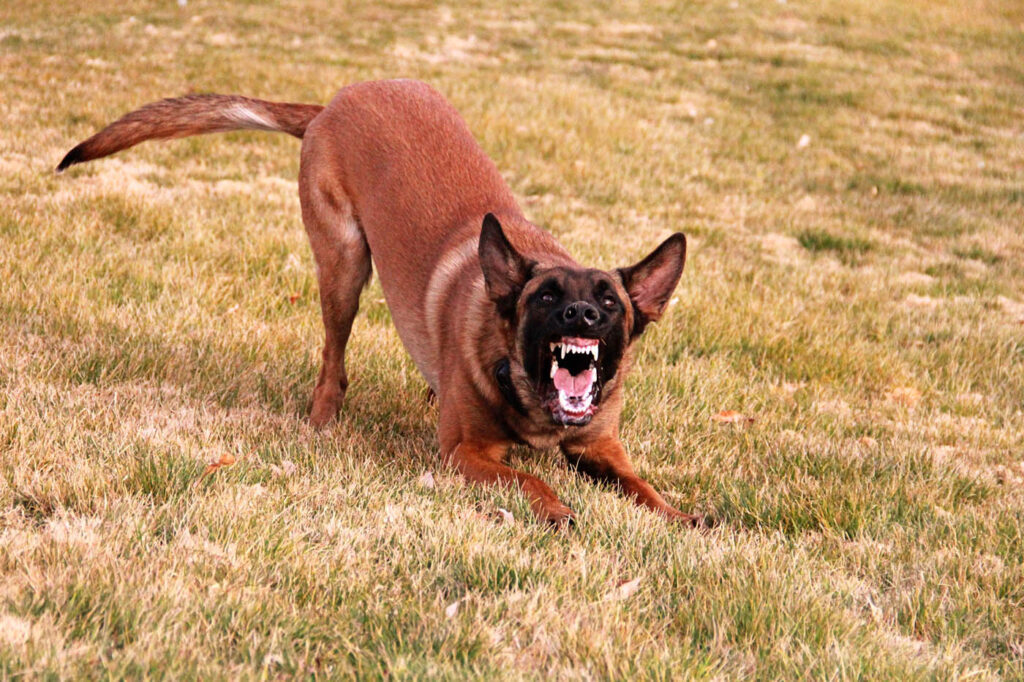
When you read the word “reactive,” think “frightened.” Many dogs aren’t aggressive; they’re simply scared. A dog that is reactive may be afraid of other dogs, and when they are on a lead, they feel trapped. This activates their sympathetic nervous system, triggering the fight, flight, or freeze response. But unlike us, these dogs don’t have the option to flee because they’re confined to a lead, so they may lunge or appear more aggressive than they really are in an attempt to scare away whatever they’re afraid of.
Imagine being afraid of something, like a spider or a moth, and having that thing let loose to approach you while someone tells you it’s friendly. Sounds uncomfortable, right? That’s what it can feel like for a reactive dog.
When a dog experiences fear, their body releases a cocktail of stress hormones like cortisol, adrenaline, and noradrenaline, which put them on high alert. Just think of how you feel when you’re scared—your heart races, your hands shake, and it can take a while to calm down. This is the same for dogs, but they don’t have the ability to escape the situation if they’re on a lead. So, they act out to protect themselves.
It’s vital to respect a dog’s space, especially if they are on lead. You may see a dog wearing a yellow bandana, bib, or sign, indicating that they need space. This universal signal helps people understand that the dog may be reactive or frightened and requires distance from other dogs or people.
If you have a dog that’s friendly, happy, and well-socialized, that’s wonderful! But please remember that not all dogs are the same. Some dogs have emotional challenges and are doing the best they can to feel safe in public spaces. It’s essential to recognize that reactivity isn’t a choice but a response born out of fear. These dogs aren’t looking for a fight, but they may act out when they feel trapped or threatened.
As dog owners, we must be responsible and aware of the needs of other dogs and their owners. If you’re out on a walk with your dog and you see one on lead with a yellow marker, take the opportunity to recall your dog and ensure they don’t approach. This simple act shows respect for the other dog and their owner, who may be working hard to help their dog manage their fear.
If your dog doesn’t have a reliable recall, it’s crucial to use a long line to ensure they don’t approach other dogs—especially those on lead. Not only is this good manners, but it’s also the law in many places to keep your dog under control in public spaces. Ignoring this could lead to serious consequences, including legal trouble.
For those with reactive dogs, the experience can be isolating. They often face judgment and verbal abuse from other dog owners who don’t understand their situation. But it’s important to remember that reactive behavior is just that—behavior, not a reflection of the dog as a whole. Dogs who seem “out of control” on a lead are often loving, affectionate pets when they feel safe and secure in their own space.
Next time you see a dog on lead, instead of passing judgment, offer the owner a nod of recognition. They’re doing their best to ensure their dog is living a safe and happy life, just as you are for your own dog. Let’s support one another and work toward helping every dog feel secure during their walks.
If you have a dog that is reactive and needs help, don’t hesitate to seek support from a qualified dog trainer. A professional can guide you through the process of helping your dog feel safe and secure in various environments.
Dogs on lead may need more space than you think, especially if they are reactive. Understanding this can make all the difference for both you and the dog owners around you. By being considerate, respecting boundaries, and showing empathy, we can all contribute to a more positive and supportive environment for all dogs and their families.
For more information on helping dogs that need space, visit Yellow Dog UK.

























The Daisy Dog Academy
27 Ballynacoy Road,
Lisburn,
Co Antrim
BT28 3XW
Tel: 07919 305484
Email: info@thedaisydogacademy.com

Copyright © 2023 The Daisy Dog Academy. All rights reserved.
Site developed by ITsECPC